Waste Management, Solid Waste Management, Recycling, Waste Sorting

Waste Management in Amioun (North Lebanon)
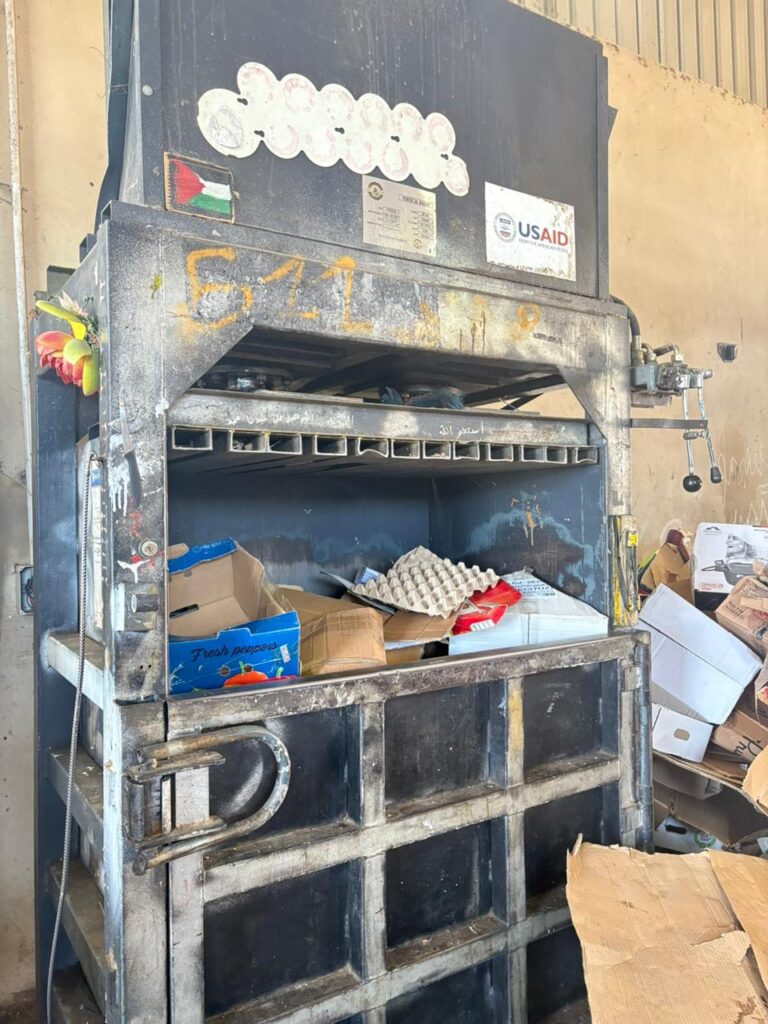
A non-organic waste sorting facility was established in Amioun Municipality – Koura Municipal Union in 2020, following consultations with the local community to identify and prioritize their needs.
The facility sorts approximately 50 tons of non-organic waste per month and serves 18 towns in the region. It also generates financial returns for the municipality, which allocates these funds to support environmental initiatives and greening projects.
The project was funded by AMB and implemented by the Lebanese Red Cross – Disaster Management Sector
Challenges addressed
Lebanon is currently facing a severe environmental crisis, further exacerbated by the arrival of a large number of refugees due to the war in Syria. The uncontrolled generation and dumping of solid waste, combined with the lack of an adequate recycling system, have exposed the country to alarming levels of environmental pollution.
At the local level, Amioun Municipality, located in northern Lebanon near Tripoli, has also experienced a significant increase in population due to the influx of refugees, leading to a sharp rise in waste production. Despite limited financial and technical resources, the municipality has had to cope with increasing pressure on its waste management system while striving to ensure safe and adequate living conditions for both host and refugee populations.
Main objectives
To create a system for the sorting and management of non-organic waste within the Amioun Municipality area, which reduces environmental pollution, encourages recycling, and provides financial resources for environmental and greening activities within the municipality
External resources
Facts
Project type Waste Management factory
Partners AMB & Lebanese Red Cross
Dates 2017-2018
Funding AMB and implemented by the Lebanese Red Cross – Disaster Management Sector (81.576,41 €)
Project description
The project is based on a triple strategy:
- Raising awareness and engaging the local population in sustainable solid waste management practices.
- Providing the municipality with the necessary infrastructure and equipment for sorting and recycling non-organic waste.
- Strengthening the technical and institutional capacities of the municipality for more sustainable waste management.
This project has become a destination for school students who visit the facility and bring non-organic materials with them. They observe the sorting process firsthand, and the instructor provides a detailed explanation of the recycling process and its relation to the environment and human protection.
Impact and results
Impact:
- Improved environmental sustainability within the Amioun Municipality and the 18 towns.
- Reduction of non-organic waste pollution in the region.
- Promotion of community awareness regarding waste segregation/recycling.
- Improved capacities of the municipality in the effective management of waste.
Results:
- Sorting of 50 tons of non-organic waste monthly.
- Financial gains for the municipality, which can be used for greening projects.
- Establishment of an example for the adoption of waste management practices in other municipalities.
- Involvement of the community in the adoption of sustainable waste practices.
Publications & main documents
RELATED CONTENT
Sorry, no posts matched your criteria.