Cases, Environment and Climate Change


Barcelona Metropolitan Network of Climate Shelters (XMRC)
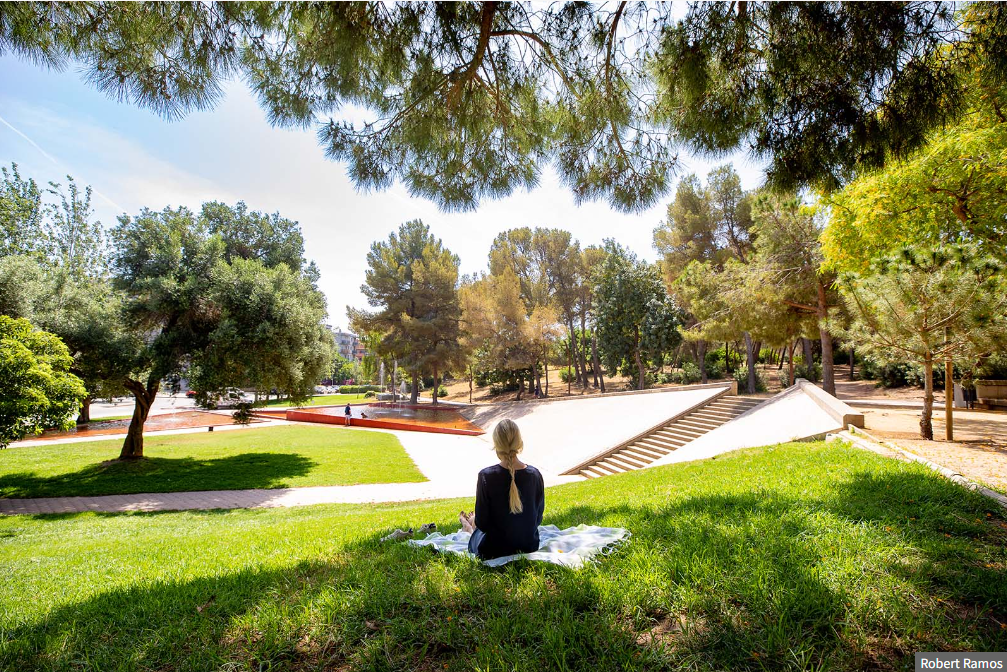
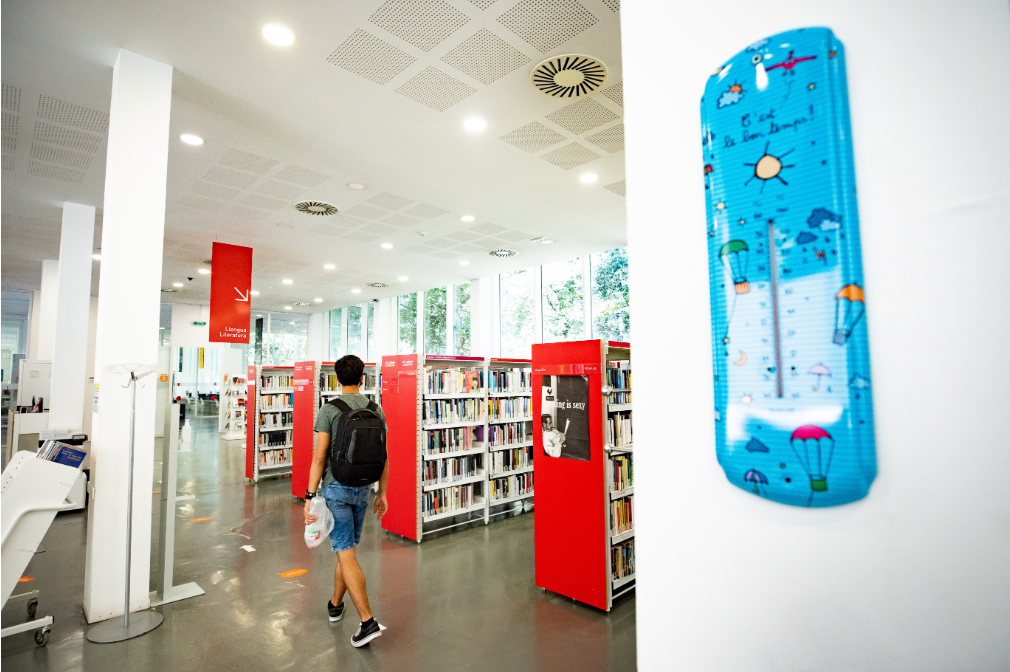
The Metropolitan Network of Climate Shelters (XMRC) was born in 2021 and groups municipal facilities, such as libraries, civic centers, schools, and public spaces, such as large parks, that can provide thermal comfort conditions during the summer period and in episodes of extreme temperatures . It serves to provide citizens such as elderly, children and people with low incomes that live at risk, and especially the population most vulnerable to extreme heat, suitable spaces indoor and outdoor to recover from the thermal stress caused by high temperatures on the human body and give them security and rest coexisting with other users located at a distance of 10-minute walk from their homes in the metropolitan municipalities. As an example we have, parks, libraries or civic centers.
The XMRC is a voluntary grouping, without its own legal personality, formed by the AMB and all those local bodies in its territorial area that are holders of a space that has been considered a climate refuge (RC) and that adhere to it through the Established protocol.
The purpose of the XMRC is to become a space for exchange and shared learning that promotes and consolidates the work of both the AMB and the local bodies, offering the climate shelter service to citizens.
A climate shelter (RC) is an accessible indoor or outdoor space that, during extreme climatic episodes, provides thermal comfort, rest and safety to the population. They are not equipment solely intended for this purpose, since they make their usual uses and functions compatible with the climatic shelter service during episodes of extreme temperatures.
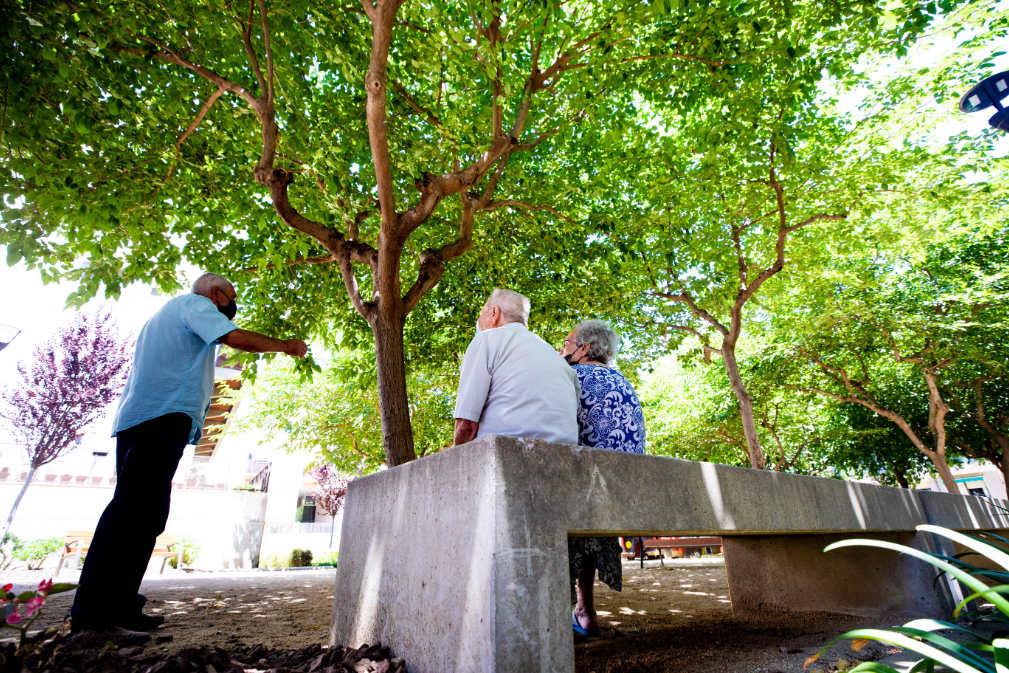
Climate shelters do not necessarily have to be air-conditioned, but they do have to guarantee a comfortable temperature. In outdoor spaces, this temperature can be reached through natural methods, such as water points or a high presence of vegetation that helps thermoregulate the temperature, giving a cooler and more comforting atmosphere.
Tags: Climate change, nature-based solutions, climate shelters, shadow, summer, vulnerable population
Challenges addressed
The metropolitan area of Barcelona is a territory clearly affected by the consequences of climate change, just like most of the countries of the Mediterranean basin. These effects are, for example, the increase in temperature, the reduction of rain and the increase in periods of drought, floods and extreme temperatures, which will worsen in the coming years in a more or less intense way. The measures we take to reduce the emission of greenhouse gases will help reduce the expected effects regarding the intensity of heat waves, which is a climate impact that will occur and we must be prepared to face it through adaptation measures. to climate change, such as climate shelters in order to guarantee the least impact on citizens.
Excessive and sustained heat will have direct effects on people’s health, as it will lead to an increase in mortality and morbidity in the population, in particular the most vulnerable groups such as the elderly, infants, people with chronic pathologies or those who live in more unfavorable social conditions. This increase in heat will also have an impact on the quality of public space in urban environments and the use that is made of it, as well as an increase in the demand for cooling in homes to achieve suitable living conditions.
Climate shelters, therefore, are one of the strategies available in the metropolis of Barcelona to try to alleviate the negative effects that heat waves have on people.
Main objectives
– Prioritize people vulnerable to extreme temperatures such as the elderly, infants, chronically ill, etc.
– The XMRC constitutes a corrective adaptation action to climate change that particularly attends to the most climatically vulnerable social groups, alleviating the intensification of inequalities that these groups suffer, thus contributing to climate justice.
– Reduce the exposure of disadvantaged groups to the adverse effects of climate change; and reduce their sensitivity to damage caused and increase in their ability to cope with and recover from damage suffered.
– Reduce the temperature, which, thanks to green spaces with moderate vegetation, can be reduced by up to 6.5 degrees, compared to areas without vegetation.
– The goal of the XMRC is that anyone resident in the metropolitan area of Barcelona has one of these shelters less than 10 minutes’ walk from their home.
Facts
Project type Climate change adaptation and resilience
Partnership AMB and the 24 local councils involved
Start date Summer 2021- on going
Website Official website
Project description
Climatic shelters are spaces to which to head throughout the summer to enjoy the thermal comfort, accessibility, safety and comfort that climate shelters provide to people.
However, they do not have specific health personnel. It is not for people who require medical attention, but who must go to the relevant health center.
The XMRC accession protocol is the reference instrument that regulates the relations between the Metropolitan Area of Barcelona and the affiliated local entities, promoting the consolidation and growth of the network. (You can read the accession protocol, here -in Catalan-)
In 2021, a working group formed by 7 metropolitan municipalities was created to promote the creation of the XMRC. This motor group put the first climate shelters into service in the summer of the same year. In 2022, the municipalities of Sant Feliu de Llobregat and Santa Coloma de Gramenet joined the initiative. Later, in 2023, Sant Adrià de Besòs and Tiana joined, so now there are a total of 24 municipalities that are part of it (see the map)
Currently the motor group is made up of the following municipalities:
- Castelldefels
Viladecans
Sant Boi de Llobregat
Cornellà de Llobregat
L’Hospitalet de Llobregat
Montcada i Reixac
Badia del Vallès
Sant Feliu de Llobregat
Sant Adrià de Besòs
El Prat de Llobregat
Esplugues de Llobregat
Tiana
Santa Coloma de Gramenet
Montgat
Badalona
Sant Joan Despí
Sant Just Desvern
Sant Cugat del Vallès
Ripollet
Cerdanyola del Vallès
Barberà del Vallès
Pallejà
Sant Vicenç dels Horts
Santa Coloma de Cervelló
The XMRC includes two types of climate shelters: indoor ones, like libraries, civic centers, local markets, museums, municipal gyms, city councils and outdoor ones, like some parks, metropolitan green spaces and public swimming pools. These facilities and public spaces make the usual uses and functions compatible with this service during the summer months. The shelters will remain active between June 15 and August 31 (check the specific hours for each shelter).
The indoor climate shelters, basically made up of public facilities scattered around the metropolis, are equipped with refrigeration, so they can guarantee suitable conditions to alleviate the intense heat, with a temperature that stays around 27°C.
The outdoor climate shelters, located in some parks in the metropolitan area, have a natural thermal regulation, since the presence of water, dense tree vegetation and permeable ground act as temperature regulators and allow you to enjoy a cooler atmosphere.
In general, green spaces with a moderate presence of vegetation can be about 2-3 °C (during the day) less than areas without vegetation. This temperature difference increases after sunset, especially in less humid places, where it can reach up to 5 °C, and in some cases to 6.5 °C.
Nowadays (2024), the AMB reactivated the network by adding 111 more shelters with the current number of 186. They are a set of accessible, public spaces with free access, which provide thermal comfort, rest, and safety in the face of the hot metropolitan summers.
Impact and results
To disseminate the existence of those shelters for elderly people, there is a specific prorgamme called Compartim un Futur (Share the future) program of the AMB, in collaboration with the Local Teleassistance Service of the Provincial Council of Barcelona (Diputació de Barcelona) that offers face-to-face workshops for people over 65 during June and July. These talks, which take place in indoor climate shelters, aim to raise awareness of the impacts of climate change on human health and the main recommendations for coping with the heat. For this summer, through the AMB educational program, workshops and activities related to climate change are offered in the outdoor and indoor shelters for adults and children.
It has been estimated that around 526,000 people, 16.1% of the metropolitan population, live in areas
with a high vulnerability to climate change, as understood through the Index of Vulnerability to Climate Change (IVAC) (see the study behind)
The network of climate shelters work is being done in parallel with the work being done at the metropolitan level to energetically rehabilitate the housing stock with which it is intended to rehabilitate 13,500 homes, benefiting up to 35,000 people.
Publications & main documents
- You can read here the study (in Catalan): Heat in the future: Index of vulnerability to change climatic (IVAC)
- Informative summary of the study here
- Video about climate shelters
MORE CONTENTS
Sorry, no posts matched your criteria.


