Cases, Sustainable Mobility, Mobility, Strategic planning

RiConnect: rethinking infrastructure
Rethinking mobility infrastructure to reconnect people, neighbourhoods and open spaces. Methodology and the application to a good practice.
RiConnect is an Action Planning Network of 8 metropolises whose aim is to rethink, transform, and integrate mobility infrastructures to reconnect people, neighbourhoods, cities, and natural spaces. It developped planning strategies, processes, instruments, and partnerships to foster public transport and active mobility, reduce externalities and social segregation, and unlock opportunities for urban regeneration.
Tags: Urban planning, action planning network, sustainable urban mobility plan, metropolitan scale
Challenges addressed
- Within an Action Planning Network, the Integrated Action Plan is a local output, specific to each city. Thus, the local circumstances, as the concrete actions to be carried out in response to the network’s sustainable development challenges, are defined by the URBACT Local Group.
- This core group is composed by a wide range of relevant stakeholders, who have a stake in the addressed challenge and who play an active role in co-designing the plan alongside the project partner.
- This document is the result of the interplay between the theme, each city’s starting point and its individual URBACT journey. It highlights the positive learning experience cities have undertaken, both from a local and a transnational perspective.
Main objectives
- Developing a forward-thinking vision for a more equal and sustainable metropolis. To do so, acting in mobility infrastructure is key
- RiConnect network was crucial to rethinking the infrastructure needed to reconnect people, neighbourhoods, cities and open spaces. Its aim is deeply linked to the PDU’s objectives, and it is helping to foster exchange and knowledge on different issues:
- consolidating a more compact metropolis, with a proximity model that brings activities closer to people, creates lively neighbourhoods and consumes resources rationally
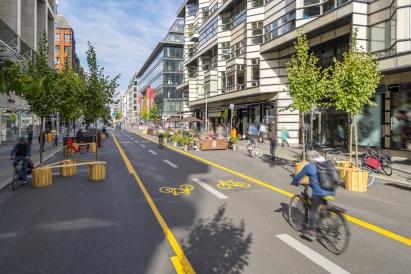
- integrating infrastructure into neighbourhoods and their environments, which will erase physical and social barriers, restore ecological connectivity and transfer road spaces and wasteland to be used for active mobility, new green areas or even new neighbourhoods
- structuring a public transport network that serves the whole metropolis, promoting a shift from cars to other modes
- With the development of this guide, the AMB has laid the foundations – firstly with the Avinguda del Vallès project, but also with the other historic metropolitan roads – for implementing the future metropolitan avenues that should lend civic structure to the Barcelona metropolis of 3.3 million inhabitants, as defined in the new Metropolitan Urban Master Plan initially approved in March 2023.
Facts
Project type Mobility and Transport
Partnership
Lead partner: Barcelona Metropolitan Area
Thessaloniki – Greece
Métropole du Grand Paris – France
Kraków Metropolis Association – Poland
Amsterdam Region – Netherlands
Gdansk-Gdynia-Sopot Metropolitan Area – Poland
Porto Metropolitan Area (AMP) – Portugal
Greater Manchester
Funding EU URBACT program
Start date 2019- 2022 (closed)
Website
AMB international-projects-Riconnect
Project description
The Barcelona Metropolitan Area (AMB) lead the RiConnect project, an URBACT programme Action Planning Network co-funded by the European Regional Development Fund.
The URBACT Action Planning Networks are aimed at helping Europe’s cities and metropolises find solutions to their common urban challenges by improving local policies and capacities to design integrated action plans for sustainable urban development.
RiConnect is a network of 8 metropolises led by the AMB to rethink, transform, and integrate mobility infrastructures to reconnect people, neighborhoods, cities, and natural areas. We will develop urban strategies and planning processes, instruments, and partnerships to foster public transport and active mobility, reduce externalities and social segregation and unblock opportunities for urban regeneration. Our long-term vision is a more sustainable, equitable, and attractive metropolis.
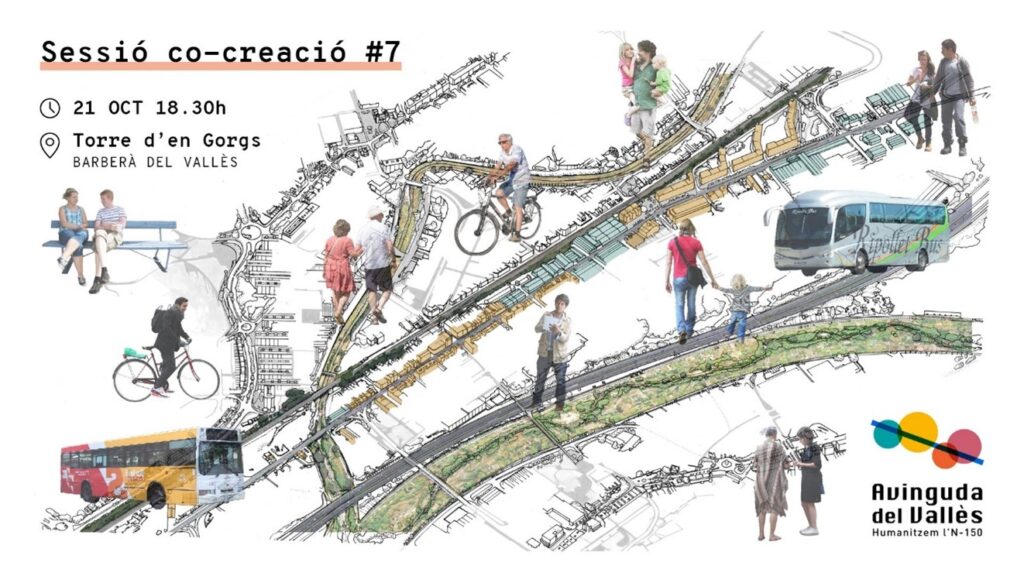
Locally this methodology has been applied to the IAP Avinguda del Vallès, it is aimed at transforming a 6.5-kilometer stretch of the N-150 trunk road into a new civic, green and commercial corridor, with strong public transport links. This road is part of the new metropolitan avenues network established by the new Metropolitan Urban Master Plan initially approved in March 2023
The Action Planning Network is being developed in two phases:
PHASE 1: 6 months. 2 September 2019 – 2 March 2020.
PHASE 2: 27 months (currently underway) May 2020 – August 2022.
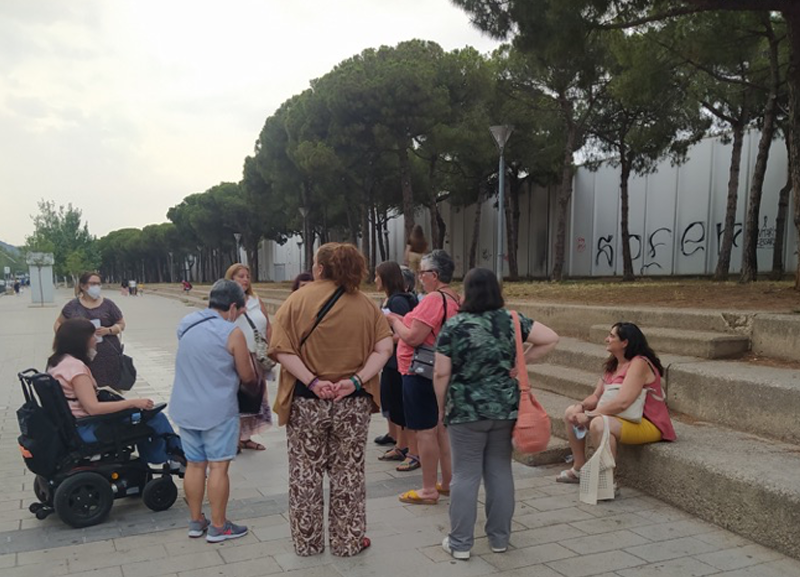
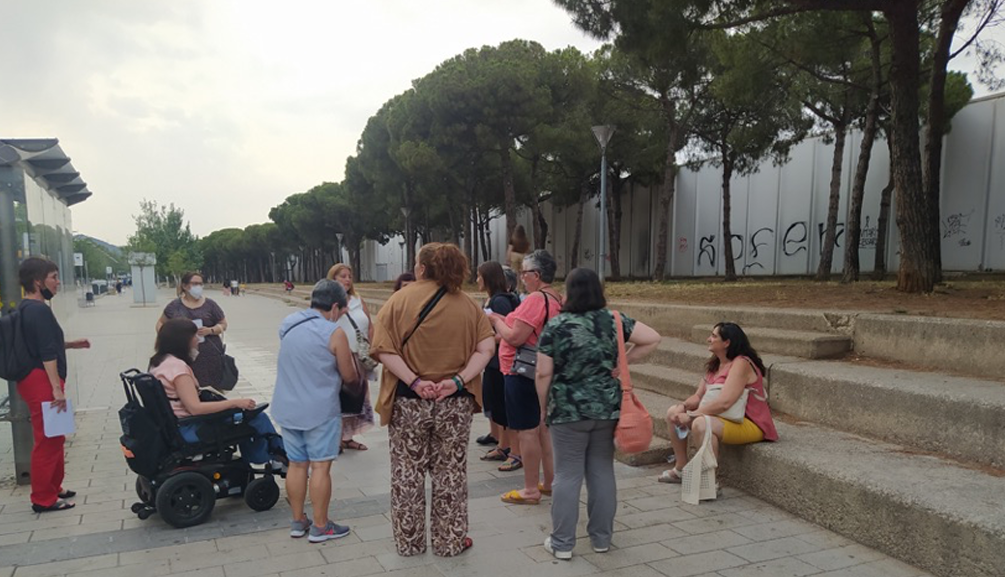
As part of the project, the 8 metropolises have developed different action plans to transform specific challenging urban areas in their territories. The AMB case has focused on Vallès Avenue. This project aims to redesign a 6.5-kilometer stretch of the N-150 trunk road between Montcada i Reixac, Cerdanyola del Vallès, Ripollet and Barberà del Vallès as a new civic, green and commercial corridor, with strong public transport links. The project has therefore undertaken an exhaustive participation process, in which citizens and institutions have co-created both the diagnosis of the site and the proposal of the actions to be carried out.
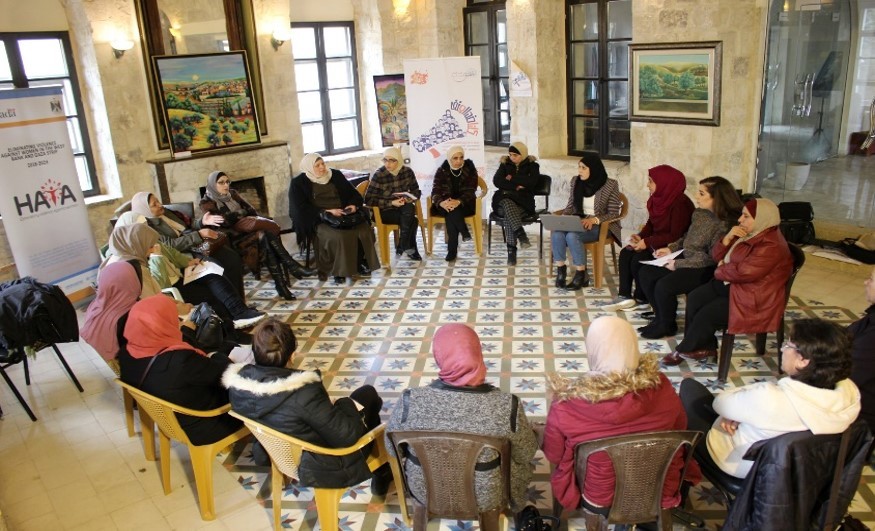
The Avinguda del Vallès project has been drawn up with the participation of the general public, institutions and stakeholders in the territory. During the process, eight co-creation sessions were held along with another three sessions with elected representatives from all the municipalities. Two festive public events also took place to make the proposed change visible and gather opinions.
This process has enabled a rethinking of a better future for this section of the N-150 road, as well as the development of a test bed for future “metropolitan avenues” – a key concept in the future Metropolitan Urban Master Plan for Barcelona.
The URBACT methodology has established successful dynamics for citizens’ participation and institutional collaboration, which are all key to implementing the Metropolitan Urban Master Plan and achieving a more connected and liveable metropolis.
Following this methodology, the Avinguda del Vallès project has been drawn up with the participation of the general public, institutions, and stakeholders in the territory. The process was managed by two main groups: the core group, the co-creation group, and the commitment group. Each one has different responsibilities and degrees of involvement in the development of the IAP.
The core group was made up of the ULG coordinators (the AMB team) and a representative of each authority involved (5 specialists). This group defined the guidelines for the co-creation process, designed the participation sessions, provided technical support and information, and worked on the communication project. This group attended all the ULG meetings.
Finally, the commitment group was responsible for making the implementation of the IAP feasible. It was made up of the heads of department of the government bodies involved and/or the political representatives, as they are those responsible for making the proposals possible.
During the process has been organised an online survey with 1500 responses, eight co-creation sessions were held along with another three sessions with elected representatives from all the municipalities. Two festive public events also took place to make the proposed change visible and gather opinions. The objective was to involve the maximum spectrum of stakeholders. At the end, more than 2000 interventions have been taken into consideration.
Impact and results
8 integrated action plans were generated:
- Avinguda del Vallès Humanizing the N150 road in Barberà del Vallès, Cerdanyola del Vallès, Montcada i Reixac and Ripollet
- INTEGRATED MOBILITY SOLUTIONS FOR HEL PENINSULA
- Skawina, Poland
- STATION LELYLAAN: FROM TRAVELLING POINT TO VIBRANT PUBLIC SPACE
- OUR STREETS FOR ALL, Greater Manchester, United Kingdom
- ENHANCING THE ENTRANCE TO THE METROPOLITAN AREA, Livry-Gargan, France
- ARRANHA: Areosa and Ranha, municipalities of Porto, Gondomar and Maia, Portugal, Porto Metropolitan Area
- FROM CAMP TO PARK, Thessaloniki, Greece
Publications & main documents
- Final report
- https://urbact.eu/networks/riconnect
- https://www.amb.cat/en/web/amb/area-internacional/programes-i-projectes/detall/-/cooperacio/riconnect/8627211/11696
- https://urbact.eu/articles/barcelona-metropolitan-area
- Summary video
- All videos of the project
- Baseline study