
• EN
LogoLogoLogoLogo Logo
 
  • Home
  • About
  • Cases
  • Voices
  • Tools
  • Contact
  • Home
  • About
  • Cases
  • Voices
  • Tools
  • Contact
  • Home
  • About
  • Cases
  • Voices
  • Tools
  • Contact
  • Environment & Climate Change
  • Waste
  • Energy
    • Rev’ACTE
  • City Strategies & Governance
  • Economic Development
  • Urban Planning
  • Mobility
    • UTC
  • Innovation
    • ProcuraMED
  • Culture & Identity
  • Social Rights

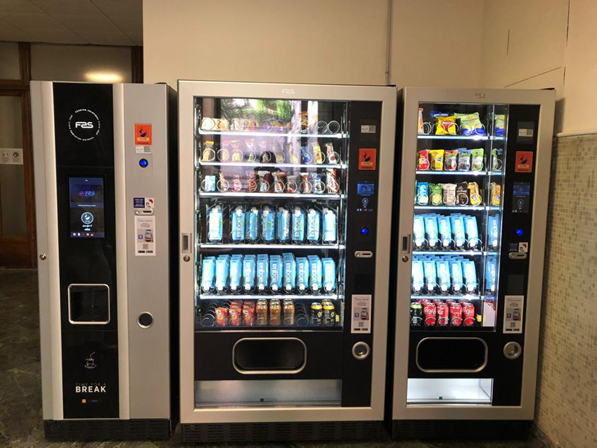
Sustainable Vending Machines at the University of Cagliari (Italy): Green Public Procurement for Circular and Healthy Campuses
  • ENVIRONMENT & CLIMATE CHANGE |
  • WASTE |
  • ENERGY |
  • CITY STRATEGIES & GOVERNANCE |
  • ECONOMIC DEVELOPMENT |
  • URBAN PLANNING |
  • MOBILITY |
  • INNOVATION |
  • CULTURE & IDENTITY |
  • SOCIAL RIGHTS

The University of Cagliari has implemented a pioneering initiative to transform traditional vending services into a sustainable, low-impact system through Green Public Procurement (GPP). By redesigning the public tender for vending machines, the university introduced environmental, social, and health-related criteria covering products, packaging, energy efficiency, and waste reduction.

This initiative demonstrates how even small-scale, everyday services procured by public institutions can become powerful drivers of sustainability, circular economy principles, and behavioural change within urban and educational environments.

Challenges addressed
  • High consumption of single-use plastic bottles and packaging in public buildings.
  • Environmental impact of conventional vending machines (energy use, waste generation).
  • Limited availability of healthy and sustainable food options on campus.
  • Need to align public procurement with institutional sustainability strategies.
  • Lack of awareness among users about the environmental impact of everyday consumption.
Main objectives
  1. Reduce plastic waste and environmental footprint associated with vending services.
  2. Use Green Public Procurement to introduce sustainability criteria into service contracts.
  3. Promote healthier, more sustainable consumption habits among students and staff.
  4. Improve energy efficiency and environmental performance of vending machines.
  5. Act as a replicable model for other universities and public institutions.
External resources
Facts

Project type :

Sustainable service procurement for public buildings, focused on vending machines and food services.


Partners: 

  • University of Cagliari, as contracting authority and project promoter.
  • Vending service providers selected through GPP-compliant tenders.
  • Suppliers of sustainable products, recyclable or reusable packaging, and energy-efficient machines.

Funding :  

  • University operational budgets allocated to service procurement

Project description

The initiative was implemented through a redefinition of procurement requirements for vending services across university campuses. The public tender introduced mandatory sustainability requirements, including:

  • reduced use of single-use plastic packaging,
  • preference for recyclable, compostable, or reusable materials,
  • availability of water and beverages with low environmental impact,
  • limits on over-packaged products.

These criteria ensured that environmental performance was a core condition of contract award.

Procured machines were required to meet high energy-efficiency standards, including: low-energy consumption modes, automatic shut-down or standby functions & efficient cooling and lighting systems.

This reduced the carbon footprint of vending services within public buildings.

The initiative was accompanied by communication and awareness actions on campus, helping users understand the rationale behind product choices and encouraging responsible consumption.

Impact and results
  1. Environmental impacts
  • Significant reduction in single-use plastic waste generated by vending services.
  • Lower energy consumption of vending machines across university buildings.
  • Improved waste separation and recycling rates.
  1. Social and behavioural impacts
  • Increased awareness among students and staff regarding sustainable consumption
  • Greater acceptance and demand for environmentally responsible products.
  • Positive influence on everyday habits within a dense, urban campus environment.
  1. Green Public Procurement impacts
  • Sustainability criteria were fully embedded in a routine public service contract.
  • Procurement acted as a lever to reshape market offerings from vending suppliers.
  • The project demonstrates that GPP is applicable not only to large infrastructure projects but also to daily services, with immediate and visible results.
Publications & main documents
RELATED CONTENT

Plastic-free UniCa initiative at the Università degli studi di Cagliari

Sustainable Procurement Tools & Guidance – ICLEI Sustainable Procurement Platform
Green Public Procurement, ProcuraMED, Public Procurement for Innovation, Tools
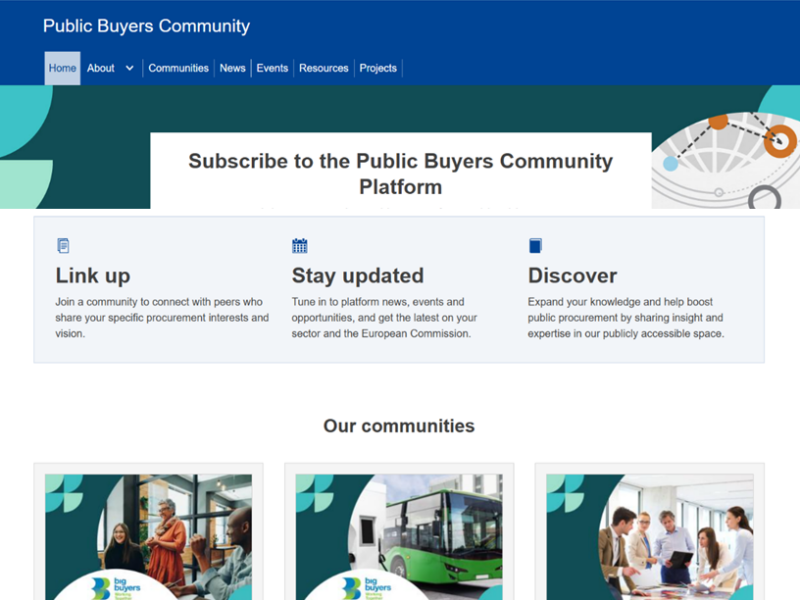
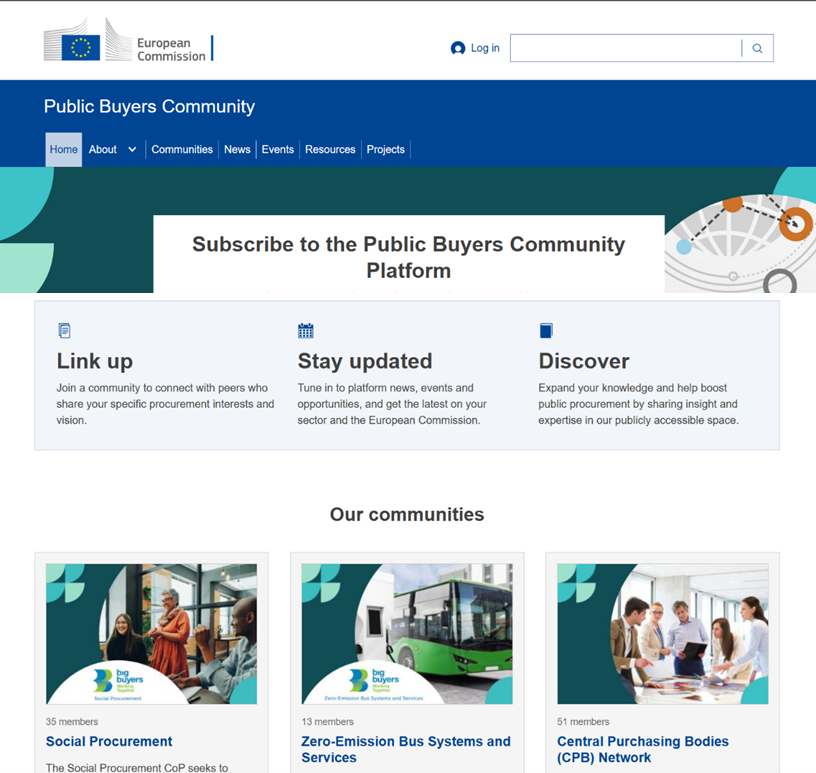
Public Buyers Community – European Public Collaboration Platform
Green Public Procurement, ProcuraMED, Public Procurement for Innovation, Tools
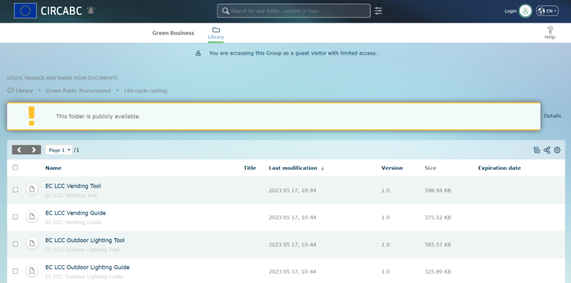
European Commission Life Cycle Cost (LCC) Calculation Tools
Green Public Procurement, Innovation, ProcuraMED, Tools
Innovative and Green Procurement towards sustainable economy in MED area: Policy recommendations for public contracting officers
Innovation, ProcuraMED, Tools,
Visualizing innovation in cities Guidelines
City Strategies & Governance, Innovation, Tools,
Sustainable Procurement Tools & Guidance – ICLEI Sustainable Procurement Platform
Green Public Procurement, ProcuraMED, Public Procurement for Innovation, Tools,
Public Buyers Community - European Public Collaboration Platform
Green Public Procurement, ProcuraMED, Public Procurement for Innovation, Tools,
Categories

CasesGreen Public ProcurementInnovationProcuraMED

Tags
cagliari circular economy green public procurement plastic reduction public buildings responsible consumption StopSingleUsePlastic sustainable campuses sustainable vending university of cagliari Waste prevention
Share
  • Facebook
  • Twitter
  • Google+
  • LinkedIn

Legal mentions

contact@medcities.org


The Urban Transports' section is developed with the support of:

We value your privacy
We use cookies on our website to give you the most relevant experience by remembering your preferences and repeat visits. By clicking “Accept”, you consent to the use of ALL the cookies. However you may visit Cookie Settings to provide a controlled consent.
CustomizeReject AllAccept All
Manage consent

Privacy Overview

This website uses cookies to improve your experience while you navigate through the website. Out of these cookies, the cookies that are categorized as necessary are stored on your browser as they are essential for the working of basic functionalities of the website. We also use third-party cookies that help us analyze and understand how you use this website. These cookies will be stored in your browser only with your consent. You also have the option to opt-out of these cookies. But opting out of some of these cookies may have an effect on your browsing experience.
Necessary
Always Enabled
Necessary cookies are absolutely essential for the website to function properly. These cookies ensure basic functionalities and security features of the website, anonymously.
CookieDurationDescription
cookielawinfo-checkbox-analytics11 monthsThis cookie is set by GDPR Cookie Consent plugin. The cookie is used to store the user consent for the cookies in the category "Analytics".
cookielawinfo-checkbox-functional11 monthsThe cookie is set by GDPR cookie consent to record the user consent for the cookies in the category "Functional".
cookielawinfo-checkbox-necessary11 monthsThis cookie is set by GDPR Cookie Consent plugin. The cookies is used to store the user consent for the cookies in the category "Necessary".
cookielawinfo-checkbox-others11 monthsThis cookie is set by GDPR Cookie Consent plugin. The cookie is used to store the user consent for the cookies in the category "Other.
cookielawinfo-checkbox-performance11 monthsThis cookie is set by GDPR Cookie Consent plugin. The cookie is used to store the user consent for the cookies in the category "Performance".
viewed_cookie_policy11 monthsThe cookie is set by the GDPR Cookie Consent plugin and is used to store whether or not user has consented to the use of cookies. It does not store any personal data.
Functional
Functional cookies help to perform certain functionalities like sharing the content of the website on social media platforms, collect feedbacks, and other third-party features.
Performance
Performance cookies are used to understand and analyze the key performance indexes of the website which helps in delivering a better user experience for the visitors.
Analytics
Analytical cookies are used to understand how visitors interact with the website. These cookies help provide information on metrics the number of visitors, bounce rate, traffic source, etc.
Advertisement
Advertisement cookies are used to provide visitors with relevant ads and marketing campaigns. These cookies track visitors across websites and collect information to provide customized ads.
Others
Other uncategorized cookies are those that are being analyzed and have not been classified into a category as yet.
Reject All Save My Preferences Accept All
Powered by GDPR Cookie Compliance WebToffee Logo