public procurement for innovation, procurement, Procuramed project, cases

Energy monitoring and data analysis of libraries, by the Barcelona City Council
Challenge
In 2012, the Barcelona City Council led a European project in PPI called SPEA, Smart Procurement European Alliance, that also involved the cities of Birmingham and Eindhoven.
The challenge of the project was to encourage and enhance public procurement in the field of energy efficiency in municipal buildings in the partner cities by promoting energy-efficient solutions for the partner cities, promoting innovative solutions of public services to improve their quality and efficiency, and fostering opportunities for SMEs to participate in their public procurement
Objectives
Develop the methodology for the participation of all key actors in the development of an innovative public procurement process. Make an analysis in terms of actual technologies and requirements, followed by a needs analysis, as well as activities aimed at increasing the participation of SMEs in the process leading to the purchase of the innovative solution.
Solution
The solution of the Barcelona City Council
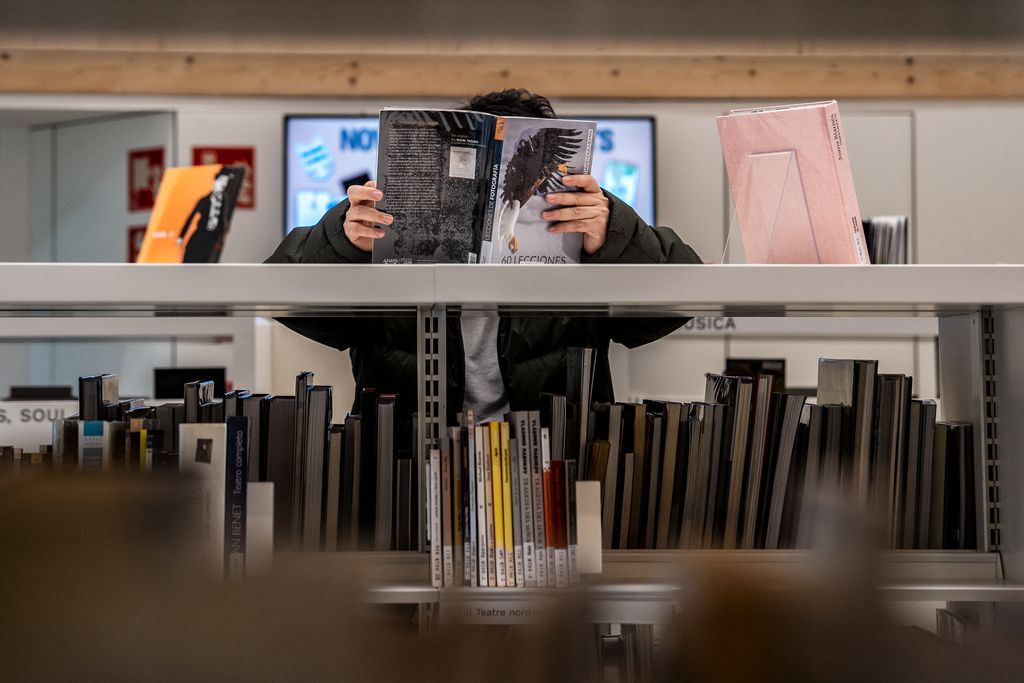
In the case of the Barcelona City Council, the innovative project consisted in energy monitoring and data analysis of libraries.
It was applied to a total of ten libraries that acted as pilots, and the Barcelona City Council counted on the support and collaboration of the General Services Directorate, the Logistics and Maintenance Directorate, the Energy Agency, and Barcelona Activa.
A market consultation was carried out, enriching the process by broadening the vision of the purchasing entities. A PIN (preliminary information notice) was drawn up, in which around one hundred companies presented themselves, used to prepare a ‘bank of energy efficiency solutions’, and a list of innovative solutions that could be used was drawn up.
After a phase of exploration of the technical and financial requirements of the project, a project competition was launched in which companies could use the solution bank, and an international jury evaluated the proposals and chose the three finalists, with which a negotiation process was opened in the format of round table discussions. The contracting board proposed the winning entity, and the contract was awarded in June 2015 for a four-year project. In 2016, the solution was implemented in ten libraries.