
Public Procurement of Innovation for Environmental Protection in Sarajevo Canton
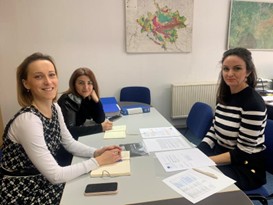
In Bosnia and Herzegovina, Public Procurement of Innovation has begun to gain recognition through collaborative and forward-thinking initiatives. A notable case is the partnership between the Sarajevo Regional Development Agency (SERDA) and the Cantonal Public Institution for Protected Areas of Sarajevo Canton. Initiated in 2023 under the EU-supported P5 Innobroker project, this initiative represents a pioneering approach to integrating PPI practices in environmental governance. By aligning with EU sustainability goals, the project highlights how innovation procurement can be strategically utilized to address urgent environmental and societal needs.
Challenges addressed
This initiative tackled several environmental and administrative challenges, including ineffective waste management systems, unsustainable tourism practices, and energy inefficiency within protected natural areas. Additionally, the project addressed the lack of local experience with PPI methodologies, requiring capacity-building among stakeholders and institutions. The overarching challenge was to design and implement a procurement process that not only responded to these environmental needs but also promoted innovation and community trust.
Main objectives
The primary objective of the project was to harness Public Procurement of Innovation as a tool to improve environmental management in protected areas. This included enhancing waste management, promoting sustainable tourism, and increasing energy efficiency. The project also aimed to establish a replicable model for PPI-based partnerships that incorporate transparency, stakeholder engagement, and alignment with EU environmental and sustainability directives.
External resources
Facts
Project type :
Public Procurement of Innovation in Environmental Governance
Partners:
The project involved a formalized partnership between the Sarajevo Regional Development Agency (SERDA) and the Cantonal Public Institution for Protected Areas of Sarajevo Canton. The collaboration was cemented through a Memorandum of Understanding signed in November 2023.
Dates 2021 – 2024
Funding :
The initiative was supported and co-funded by the European Union through the P5 Innobroker project, which aims to promote and mainstream innovation procurement practices across participating countries.
Project description
This project exemplifies the first steps toward mainstreaming innovation procurement in Bosnia and Herzegovina. It was launched through a collaboration between SERDA and the Cantonal Public Institution for Protected Areas in Sarajevo Canton, under the framework of the P5 Innobroker project. This European Union-supported initiative was crafted to facilitate innovation procurement strategies that target contemporary environmental and social challenges, in line with broader EU sustainability goals.
The partnership officially began in November 2023 with the signing of a Memorandum of Understanding. This agreement outlined both institutions’ commitment to fostering innovation in the management of protected areas, recognizing these zones as vital to preserving Bosnia and Herzegovina’s extensive biodiversity and natural heritage.
Following the formation of the partnership, the stakeholders undertook a detailed needs assessment to identify key environmental challenges. The main priorities that emerged included the need to improve waste collection and treatment in remote and ecologically sensitive areas, the promotion of sustainable tourism models that reduce human impact, and the optimization of energy use within these zones.
Through the application of PPI, the project created a procurement framework that allowed for market consultation, encouraged supplier innovation, and emphasized community engagement. Transparency and inclusive dialogue were foundational elements of this process, helping to build trust among vendors and ensure alignment with public needs. This case highlights the potential of PPI as a transformative approach to public service delivery, particularly in areas where environmental sustainability is a central concern.
Impact and results
The project achieved several key results.
- First, it successfully introduced and piloted PPI practices within public institutions that had limited prior exposure to such mechanisms. This enhanced institutional capacity and set a precedent for future innovation-driven procurement.
- Second, the initiative led to the development of tailored solutions to address pressing environmental needs in protected areas, including improved waste management systems and proposals for energy-efficient infrastructure.
Importantly, the transparent and participatory nature of the procurement process increased stakeholder confidence and opened the door for more dynamic public-private collaboration in the future. The project also served as a model for other regions in Bosnia and Herzegovina seeking to integrate innovation into public procurement, thereby contributing to a broader cultural shift toward sustainability-oriented governance.