Cases, urban gender planning, women, social cohesion, social rights, equality, gender-responsive, planning approaches, participation, Tetouan

Participatory Diagnosis about Safety and Wellbeing of Women in the Public Space in the neighbourhood of Nassim, city of Tetuan (Morocco)
The implementation of the COHESIMED project in Tetouan -led by MedCities and Tetouan City Council, and funded by Barcelona City Council- began in 2021. The project, funded by the City Council of Barcelona, aimed at improving the well-being of women in the city of Tetouan (Morocco)and specifically in the district of Nakatta (Nassim is its official name), through the improvement of accessibility and safety of public space for women, focusing on their everyday life movements and trips.
Tags: Urban planning, public services, Mersin, women, development, social inclusion, gender inclusion, urban gender planning, civil society
Challenges addressed
The main issues observed by the women concern the everyday life uses of the streets, buildings and urban spaces and point to the lack of public lighting that generates insecurity or the dense traffic and unsafety for women as they mainly move around the neighbourhood on foot. Accessibility is a generalized problem around the area, together with lack of comfortable and safe passages to the main neighbourhood services like schools or health centers. A comprehensive diagnosis and map produced by Col·lectiu Punt 6 to identify priority actions and measures, as one of the main contributions of COHESIMED in Tetuan. This project is a first step toward empowering women to trust their knowledge of theirenvironment and become active agents of change.
Main objectives
To conduct a safety audit through women’s participation to propose improvements in an informal neighbourhood in the municipality of Tetuan, Morocco.
The main objectives of the initiative in Tetouan were:
- To improve the experience of women accessing the public space and basic facilities and to improve social cohesion and coexistence in the neighborhood.
- To strengthen the interinstitutional dialogue between the city council and the social and civil entities of the neighbourhood, particularly those in contacts and working with women and families.
- To increase the knowledge of the city council staff in regards to the gender perspective of local urban policies and deploy concrete follow up interventions targeted to the area.
Facts
| Project type | Urban planning to improve the quality of life of women in day-to-day life |
| Partnership | MedCities/MedCités with the municipality of Tetuan, Morocco.
Developed by Acetre, Col·lectiu Punt 6 with Union d’Action Feministe |
| Funding | Barcelona City Council |
| Start Date | 2021 |
Project description
The project was developed in an informal settlement in the periphery of the city. It has a lot of environmental hazards that mostly impact women and children. The neighbourhood has experienced flooding, lacks accessibility in most streets, it is disconnected from city center and main services. The project included an action plan to improve some spaces, among them a public space that can be used by young women.
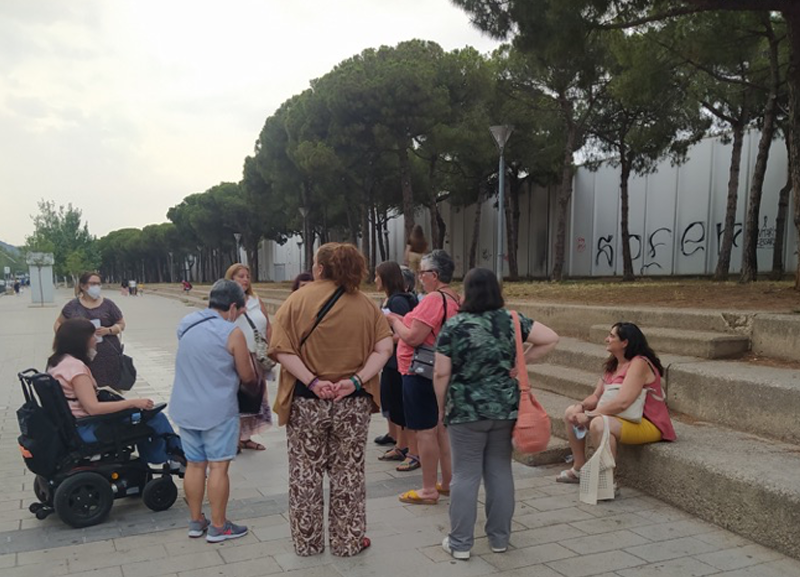
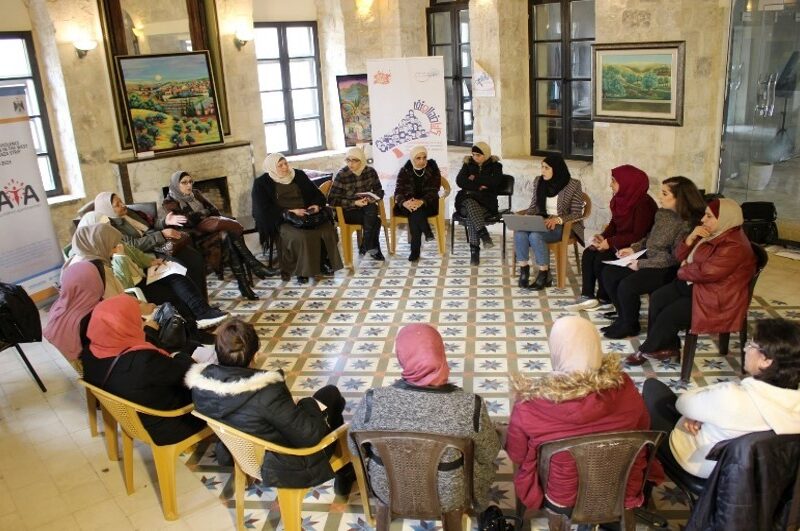
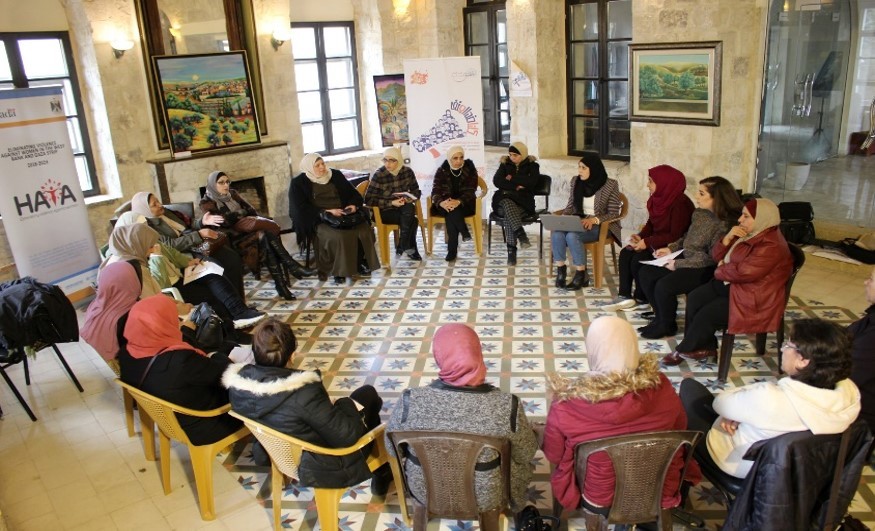
In May 2021, the partners of the project decided to focus the action in the neighbourhood of Nakatta, an out-of-town area of the city of Tetuan with needs and certain community-based networks on which the project could ground its action. MedCities and the city council of Tetouan were strongly supported by the expert teams of Col·lectiu Punt 6 – a cooperative based in Barcelona with a long experience working on the gender perspective analysis in urbanism– and a local consultancy firm. After defining the pilot area, the participatory diagnosis kicked off with a number of workshops and exploratory walks in the neighbourhood with over 40 women involved. The first day 21 adult women gathered at the Community Center of Al Boughaz and were told about the objectives of the project. A video-animation was used to ease the understanding and break the ice. Their 46 children were taken care of by two facilitators in an annex room, something which facilitated and mobilized the women to attend the workshop.
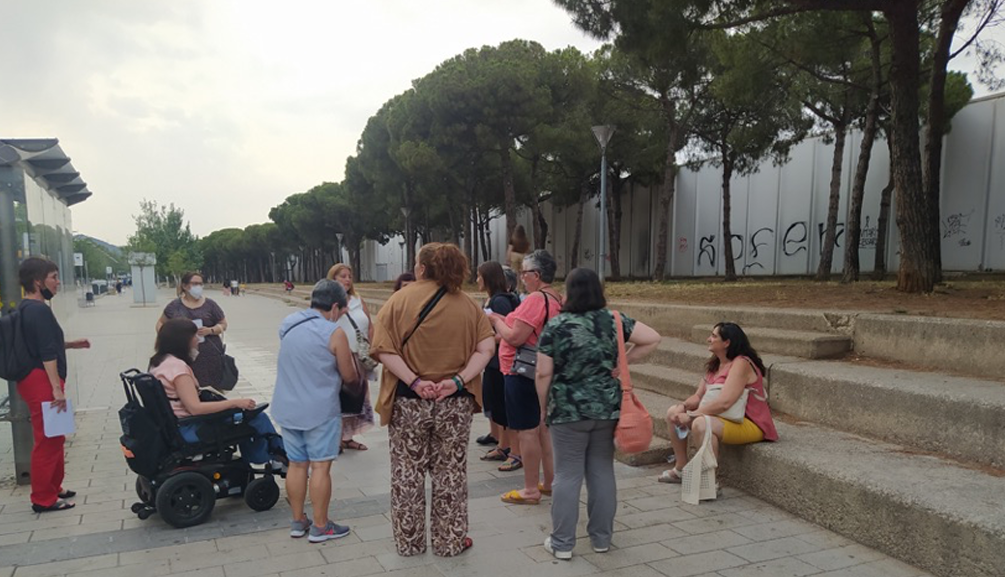
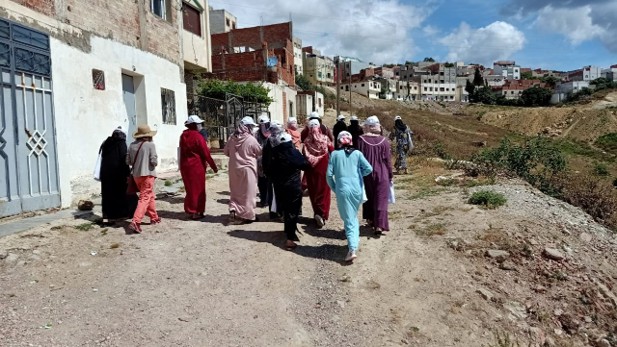
The second day, 22 women, of which 8 were teenagers, gathered at the Center in the morning and later on walked around the neighbourhood to identify the problems and challenges they encounter when moving around or accessing the area on a daily basis. The results of the exploratory walk were shared and discussed back at the Center Al Boughaz and were signalled on different printed maps of the neighbourhood. Finally, on the third day, 15 adult women participated at a second exploratory walk and later gathered at the Center to conclude the process, together with their 37 children.
Impact and results
Gender responsive urban planning was the conceptual framework that defined the methodology and tools used in the workshops during the participatory diagnosis by Col·lectiu Punt 6 and Union d’Action Feministe (responsible for establishing direct contact with the women in the neighbourhood, translating into Arabic, and adapting the concepts to suit the reality of the women in the neighbourhood)
- » The methodologies developed in the workshops have been adapted to the needs of the group of women who participated.
- » The results were obtained from the participatory workshops and the participatory recommendations for improving women’s perception of safety in the neighbourhood and the municipality (written report and map of the neighbourhood with recommendations for action).
- » An action plan with interventions to be implemented to meet the needs identified in the neighbourhood.
- » Presentation of the results and action plan to women’s groups in the neighbourhood and the municipality of Tetuan.